Tribal Casino Operators Prioritize Hotel Towers in 2026 Expansion Plans
Written by Mara Krüger · Aug 18, 2026

Tribal Casino Operators Prioritize Hotel Towers in 2026 Expansion Plans
Operators at tribal casinos across several states have redirected capital toward hotel construction in 2026, and this approach replaces earlier plans centered on larger gaming floors, according to industry reports from that period. The change supports creation of full destination properties that draw visitors for multiple nights while generating revenue from lodging, conventions, and non-gaming services in markets where gaming growth has stabilized. Active projects span Oklahoma, Texas, New York, and California, with each development tied to specific tribal nations and branded partnerships.
Project Details by Region
Choctaw Nation of Oklahoma has broken ground on a roughly 140 million dollar tower at its Pocola Casino that will add 130 rooms, and this addition forms part of a broader push to extend guest stays beyond single-day visits. In Texas the Kickapoo Lucky Eagle Casino has advanced plans for a 252-room tower designed to increase overnight capacity in a region with established gaming competition. Observers note that both projects replace prior emphasis on slot or table expansions with infrastructure that encourages longer visits and higher per-guest spending on dining and events.
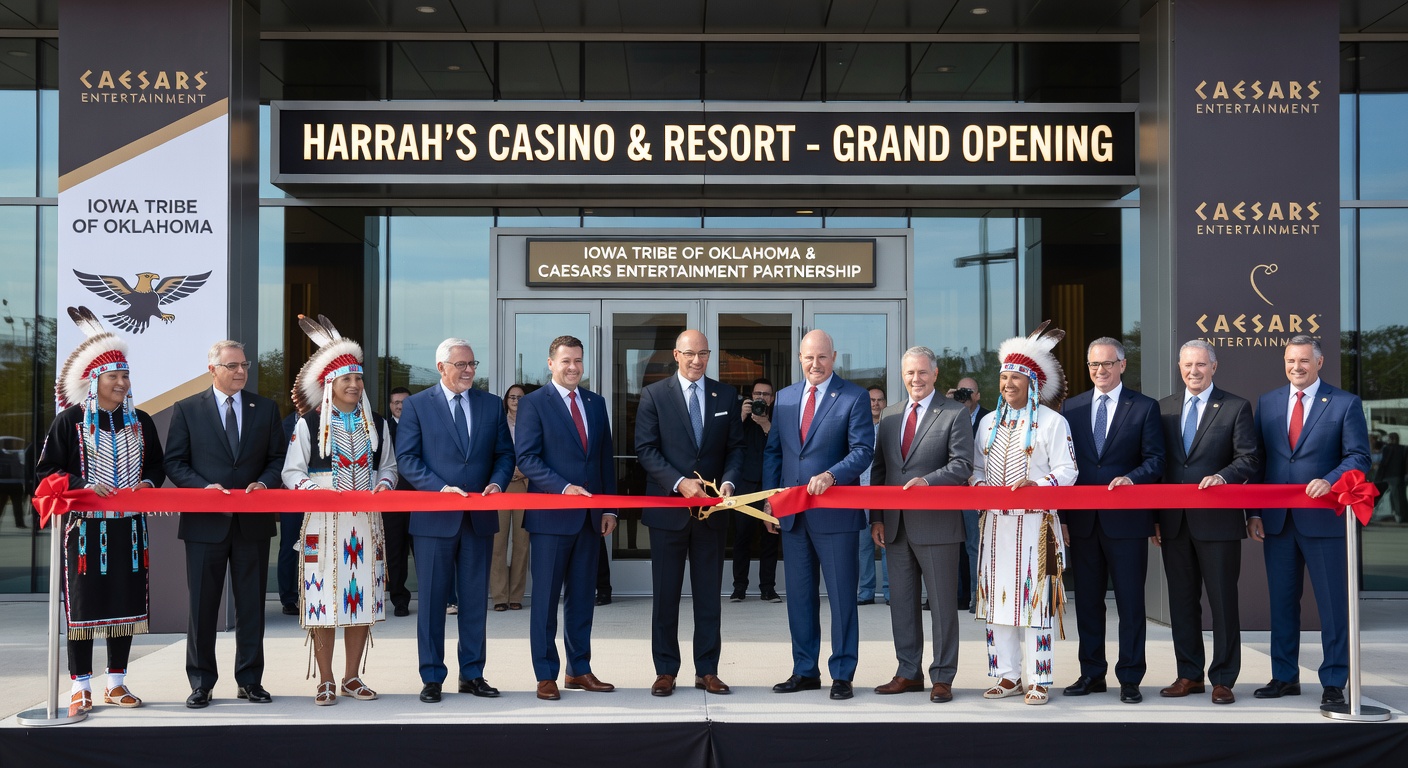
Further east the Oneida Indian Nation has committed 370 million dollars to a major expansion at Turning Stone Resort Casino in New York that includes the Crescent Hotel tower, and this investment combines new rooms with convention space intended to attract group business. In California the Wilton Rancheria has initiated construction of the first hotel tower at Sky River Casino, while the Dry Creek Rancheria has partnered with Caesars Entertainment to brand a new tower at River Rock Casino under the Caesars Republic name. These California projects mark initial entries into lodging for their respective properties and align with statewide trends toward integrated resort models.
Market Context Driving the Shift
Data from mid-2026 shows gaming revenue growth slowing in many tribal markets, and operators have responded by targeting non-gaming streams that hotels can unlock through multi-night packages and meeting facilities. Figures released around August 2026 indicate that properties with on-site lodging achieve higher average daily revenue per visitor compared with day-trip focused venues, a pattern that has prompted several nations to accelerate tower timelines. The strategy also positions casinos to compete for convention and leisure travelers who seek complete resort experiences rather than gaming alone.
Each listed project incorporates design elements that support events and extended stays, from expanded meeting rooms at Turning Stone to branded amenities at River Rock. Those who have tracked tribal gaming for years recognize that mature markets often reach saturation on gaming floors first, which leaves lodging as the next logical area for capital deployment. Construction schedules announced in early 2026 place most towers in phased openings beginning late that year and continuing into 2027, allowing operators to measure demand before additional phases.
Revenue and Operational Impacts
Hotel towers enable tribes to capture spending that previously left the property at the end of a gaming session, and preliminary models shared by project planners project non-gaming revenue increases of 20 to 30 percent once rooms reach full occupancy. Convention business represents another targeted segment, with the Turning Stone expansion explicitly sized for large group bookings that can fill rooms during mid-week periods when gaming traffic traditionally dips. Similar calculations appear in planning documents for the California and Oklahoma sites, where operators expect the new towers to stabilize cash flow across seasonal fluctuations.
Partnerships such as the Caesars Republic branding at River Rock illustrate how tribal operators leverage established hospitality names to accelerate market recognition without expanding gaming square footage. This approach keeps regulatory footprints stable while still growing overall property value. Reports compiled through August 2026 confirm that financing for these towers has relied on a mix of tribal bonds, bank facilities, and in some cases revenue from existing operations, reflecting confidence that lodging demand will deliver returns even in saturated gaming regions.
Conclusion
The 2026 hotel tower initiatives at Pocola, Lucky Eagle, Turning Stone, Sky River, and River Rock demonstrate a coordinated industry adjustment toward destination resort models, and the pattern is expected to influence additional tribal properties evaluating capital plans in subsequent years. By emphasizing rooms, events, and non-gaming amenities, these developments address revenue diversification needs in markets where gaming expansion alone no longer guarantees growth. Further updates on opening timelines and occupancy data will clarify the long-term outcomes of this strategic pivot. 500 Nations coverage and related industry summaries provide ongoing tracking of these specific builds.