Portable Technology Reshapes Video Poker Player Behaviors and Protection Measures
Written by Mara Krüger · Jun 12, 2026
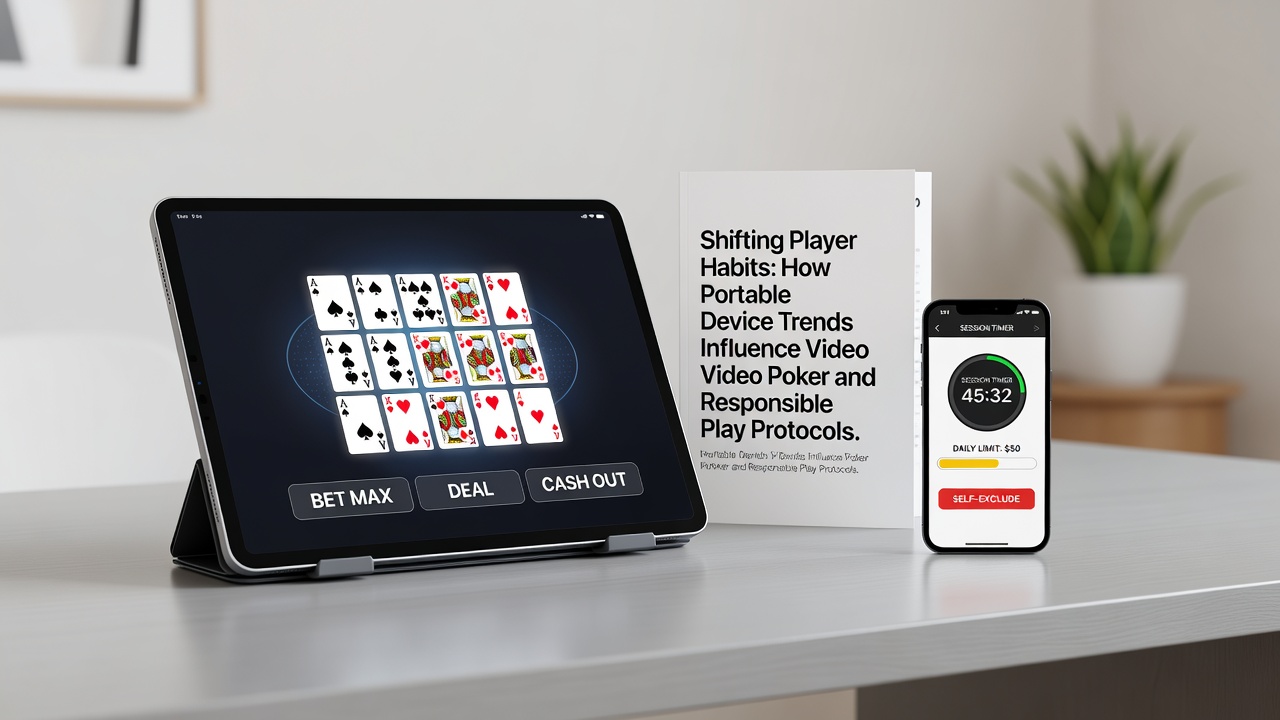
Portable Technology Reshapes Video Poker Player Behaviors and Protection Measures
Portable devices have altered how people access video poker, moving sessions from fixed casino terminals to smartphones and tablets that fit into daily routines. Research from the American Gaming Association indicates mobile video poker participation grew steadily through 2025, with projections extending into June 2026 showing continued expansion in app-based play across multiple jurisdictions.
Operators track these patterns through session data that reveals shorter but more frequent interactions, whereas traditional land-based machines once supported longer continuous play blocks. This shift stems from device portability that lets users engage during commutes, breaks, or downtime without dedicated travel to gaming venues.
Device Trends and Video Poker Access Patterns
Smartphone adoption rates have pushed video poker developers to optimize interfaces for touch controls and smaller displays, resulting in simplified betting options and quicker round cycles. Figures from industry reports reveal that over 60 percent of video poker activity now occurs on mobile platforms in regulated markets, driven by improved connectivity and processing power rather than any single regulatory change.
Players often combine video poker with other mobile activities like messaging or browsing, creating fragmented attention spans that differ from focused casino floor experiences. Data collected by gaming analytics firms shows average session durations on portable devices fall between eight and twelve minutes, compared with thirty-minute averages recorded at physical machines in earlier decades.
Adaptations in Game Design for Mobile Users
Video poker variants now incorporate auto-hold features and customizable speed settings that accommodate on-the-go preferences, while maintaining core payout structures identical to their stationary counterparts. Developers have introduced landscape and portrait modes that respond to device orientation, allowing seamless switches without interrupting hands in progress.
These design choices align with broader mobile entertainment consumption habits where users expect instant loading and minimal setup requirements. Observers note that push notifications and loyalty integrations further encourage repeated short visits throughout the day instead of single extended sessions.
Responsible Play Protocols Responding to Mobility
Regulatory bodies in various regions have updated guidelines to address mobile-specific risks, including requirements for session timers and reality checks that appear at intervals chosen by the player. The National Council on Problem Gambling provides resources that operators integrate into apps, such as spending trackers visible alongside active game screens.
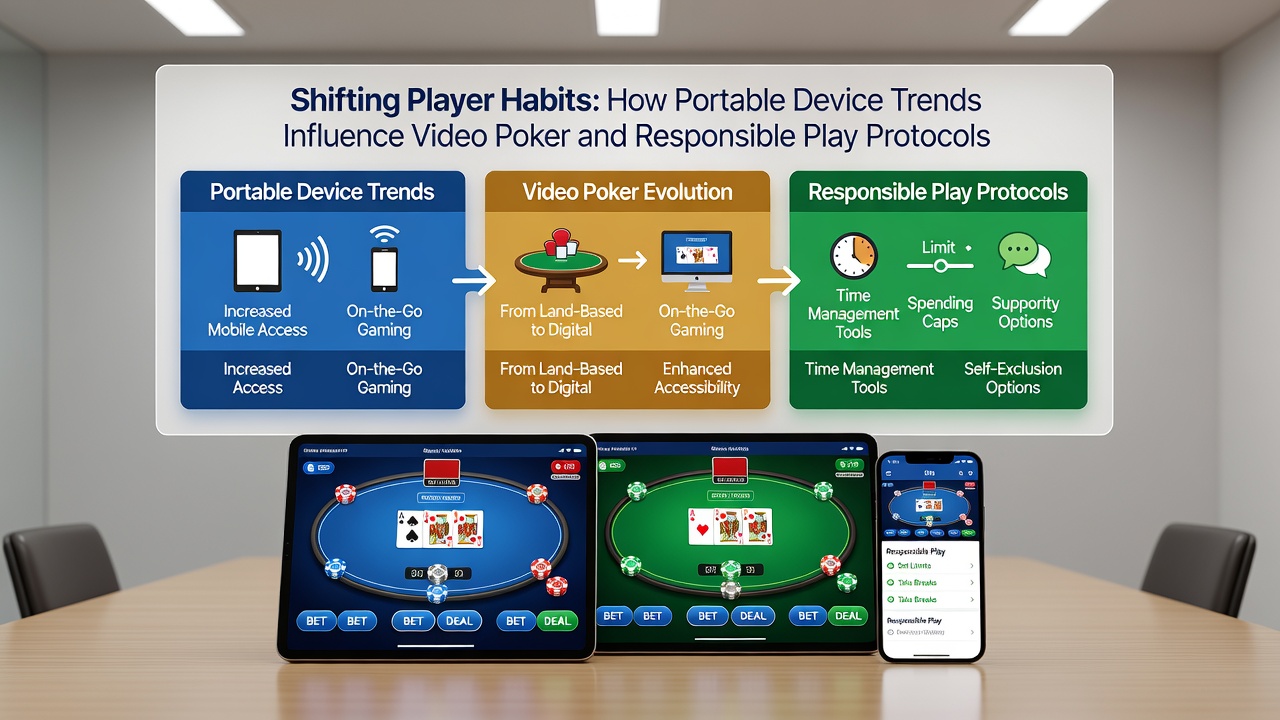
Deposit and loss limit tools function identically across device types, yet mobile implementations add location-based reminders that activate when users enter or exit certain areas. Studies conducted by Canadian research centers indicate these features reduce excessive play episodes when presented through intuitive pop-ups rather than separate menu navigation.
Operators must now verify age and identity through mobile-compatible processes that include biometric options alongside traditional document uploads. This maintains compliance standards while fitting the faster pace of app-based registration flows common in 2026.
Regional Variations in Implementation
European markets apply stricter session interrupt protocols for mobile video poker, requiring mandatory breaks after set durations, whereas North American frameworks emphasize voluntary tools that users activate themselves. Australian regulatory approaches incorporate harm minimization messages tailored to portable device notifications, reflecting local data on usage peaks during evening hours.
These differences arise from distinct legislative priorities, but all share the goal of preserving player choice while embedding safeguards directly into the gaming interface. Cross-border operators adjust features based on user location detected through device GPS, ensuring protocol alignment with applicable rules.
Data Insights on Behavioral Shifts
Analytics platforms record that mobile video poker users initiate more sessions per week yet wager smaller amounts per round on average, producing comparable total handle when aggregated. University-led examinations of play logs from multiple sites confirm that responsible gaming feature engagement rises when tools appear within the primary game window instead of external links.
June 2026 marks a point where several jurisdictions plan to review mobile data collected since 2024, focusing on correlations between device type and self-exclusion requests. Preliminary aggregates suggest tablet users demonstrate longer but less frequent activity compared with smartphone patterns.
Conclusion
Portable device trends continue to influence video poker formats and the responsible play measures layered into them, with operators and regulators adapting tools to match observed habits. Evidence from multiple sources demonstrates that integration of limits, timers, and notifications within mobile interfaces supports consistent application across player bases. Ongoing data collection through June 2026 and beyond will refine these approaches further as device capabilities and user expectations evolve in parallel.