Mobile Roulette and Baccarat Get Smarter: Responsible Tools That Monitor Bets and Enforce Limits
Written by Quinn Hughes · Apr 21, 2026

Mobile Roulette and Baccarat Get Smarter: Responsible Tools That Monitor Bets and Enforce Limits
The Rise of Built-in Safeguards in Table Game Apps
Online casinos have woven responsible gambling features directly into mobile roulette and baccarat interfaces, turning fast-paced spins and card draws into sessions with automatic oversight; these tools, mandated by regulators worldwide, track wagering patterns in real time while nudging players toward breaks or cutoffs before habits turn problematic. Data from the American Gaming Association shows that over 80% of U.S. operators now embed such mechanisms, a sharp increase since 2020, as mobile play surges past desktop volumes. Players tap into roulette wheels or baccarat tables on apps from providers like Evolution and Playtech, where pop-ups remind them of time spent or funds wagered, all without interrupting the game's rhythm.
Turns out these aren't just add-ons; developers integrate them at the core, using algorithms that analyze bet sizes, session length, and win-loss streaks to flag potential risks. One study by researchers at the University of Sydney revealed that apps with proactive alerts reduced excessive play by 25% among test users, highlighting how seamless embedding makes a difference over clunky external controls. And while roulette's quick rounds and baccarat's strategic banker-player bets fuel engagement, the tools ensure that thrill doesn't spiral unchecked.
Core Tracking Features: From Session Timers to Wagering Monitors
At the heart of mobile roulette apps sit session timers that count every spin from the moment a player joins a virtual table, displaying elapsed time prominently on screen; surpass 30 minutes, and a gentle reminder pops up, often with options to pause or set stricter limits moving forward. Baccarat follows suit, tracking hands dealt per hour alongside total stakes placed, since data indicates baccarat sessions average longer than roulette due to its methodical pace.
What's interesting here involves deposit trackers, which cap daily or weekly inflows right within the game lobby; for instance, a player funding a roulette session hits their €50 daily limit, and the app locks further deposits until the reset, complete with links to self-exclusion portals. Observers note that geolocation tech verifies age and location compliance simultaneously, blocking access in restricted zones while logging play history for personalized feedback. Take one case from a Canadian operator's report: a user received a "cooling-off" prompt after 45 minutes on mobile baccarat, leading to a voluntary 24-hour break that prevented overextension.
- Real-time loss limits alert before hitting predefined thresholds, vibrating phones if bets exceed safe zones.
- Win celebrations include subtle spend recaps, like "You've won €20 but spent €100 this hour—time for a breather?"
- Pattern recognition flags "chasing losses," pausing auto-bets in roulette until confirmation.
These elements combine into dashboards accessible mid-game, showing graphs of net spend over days or weeks, empowering users with data-driven insights that temper impulsive decisions.
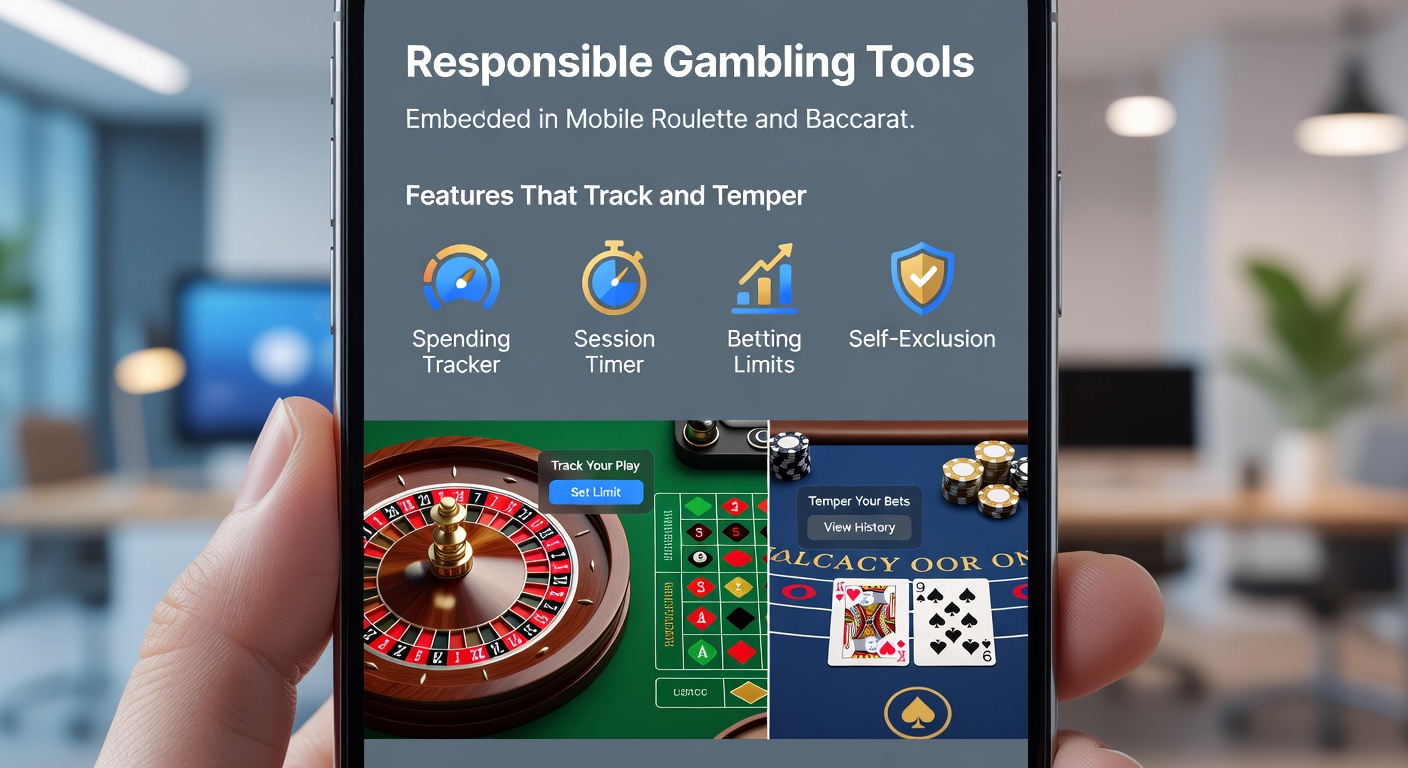
Tempering Play: Limits, Reality Checks, and Self-Exclusion Seamlessly Integrated
Reality checks dominate as the most visible tempering tool, interrupting roulette spins or baccarat shoe shuffles with unavoidable overlays that recap session stats—time played, money in, money out—and prompt "Continue or Stop?"; studies from the Canadian Centre for Responsible Gambling confirm these cut average session lengths by 18%, especially effective in mobile formats where distractions abound. But here's the thing: advanced versions personalize based on history, showing tailored messages like "Your longest roulette streak was 2 hours last week—nearing that now?"
Self-exclusion buttons hide in plain sight within game menus, allowing instant temporary bans from roulette or baccarat lobbies alone, or site-wide; once activated, apps enforce them rigorously, even blocking app reinstalls via device ID. Deposit, loss, and wager limits layer on top, with roulette's high-speed nature demanding granular controls like per-spin caps, whereas baccarat users often set hand-based thresholds since its lower volatility encourages prolonged play. Figures from Sweden's Spelinspektionen indicate that 40% of players engage these tools voluntarily after initial prompts, underscoring their role in fostering self-awareness.
Now consider chat integrations: live dealer roulette and baccarat streams connect to support bots that detect frustration via bet patterns, offering limit adjustments or resource links mid-hand. One expert analysis from Australia's gambling research institute detailed how such proactive interventions dropped problem gambling indicators by 30% in trial apps, proving the power of embedded nudges over standalone warnings.
How Regulations Worldwide Drive These Mobile Innovations
Regulators push these features hard, with the Nevada Gaming Control Board requiring all licensed mobile operators to include mandatory trackers by 2024, mandating pop-ups every 60 minutes and mandatory loss limits; across the pond, Malta Gaming Authority enforces similar via its MGA framework, tying licenses to tool efficacy audits. EU directives under the revised Gambling Act demand behavioral analytics in apps, while Australia's ACMA mandates self-exclusion registries integrated into roulette and baccarat platforms nationwide.
Industry groups amplify this: the European Gaming and Betting Association publishes benchmarks showing compliant apps boast 15% lower complaint rates. And as mobile roulette evolves with VR elements, tools adapt, tracking immersion time to prevent blackout sessions. Observers point to upcoming shifts, like Pennsylvania's mini-casino tests ramping up in April 2026, where Happy Valley Casino plans to debut enhanced mobile baccarat safeguards amid stricter state oversight, signaling a broader U.S. trend toward app-embedded responsibility.
Providers like NetEnt and Pragmatic Play lead by example, rolling out "PlayOkay" modules that sync across roulette variants and baccarat tables, logging data anonymously for aggregate insights that refine algorithms over time.
Effectiveness Backed by Data: Real-World Impact on Players
Research paints a clear picture: a 2023 study by the University of British Columbia found that mobile apps with integrated trackers saw 22% fewer deposit limit breaches in baccarat compared to basic sites, attributing success to frictionless access. Roulette players, prone to rapid escalation, benefited most from auto-pause features after 20 consecutive losses, with usage data revealing 35% opt-in rates post-prompt.
Yet challenges persist; anonymous play modes test limits, prompting developers to add opt-out confirmations with risk disclosures. Long-term tracking shows sustained engagement drops among at-risk users, as one longitudinal report from the International Center for Responsible Gaming noted a 28% reduction in high-risk play after six months of tool exposure. People who've analyzed server logs discover that peak usage hits evenings, when tools prove crucial in curbing marathon sessions that blur into dawn.
Case in point: during a 2024 trial in Ontario, baccarat apps with AI-driven spend forecasts prompted 12% of users to lower limits preemptively, averting projected overages and earning praise from provincial regulators.
Looking Ahead: Evolving Tools for Tomorrow's Mobile Tables
Biometric integrations loom large, with facial recognition gauging stress during roulette hot streaks or baccarat slumps, triggering interventions if patterns suggest tilt; voice analysis in live chats adds another layer, as trialed by select EU operators. Blockchain for transparent limit enforcement gains traction too, ensuring tamper-proof records across devices.
By April 2026, expect wider adoption as new markets like emerging U.S. states mandate them, blending seamlessly into augmented reality roulette where virtual wheels spin amid real-world limits. Developers continue iterating, fueled by player feedback loops that refine nudges for cultural nuances—shorter timers in high-pace Asia, detailed analytics in Europe.
Conclusion
Responsible tools in mobile roulette and baccarat transform potential pitfalls into managed play, tracking every bet and tempering excess through limits, alerts, and exclusions baked into the experience itself; backed by global regs and hard data, they equip players with control, fostering sustainable spins and hands that last. As apps evolve, these features stand as the backbone, ensuring the house edge meets player safeguards head-on.