From Reels to Real Time: Slot Machines' Live Dealer Twist
Written by Mara Krüger · Apr 5, 2026
From Reels to Real Time: Slot Machines' Live Dealer Twist
The Shift from Spinning Reels to Interactive Streams
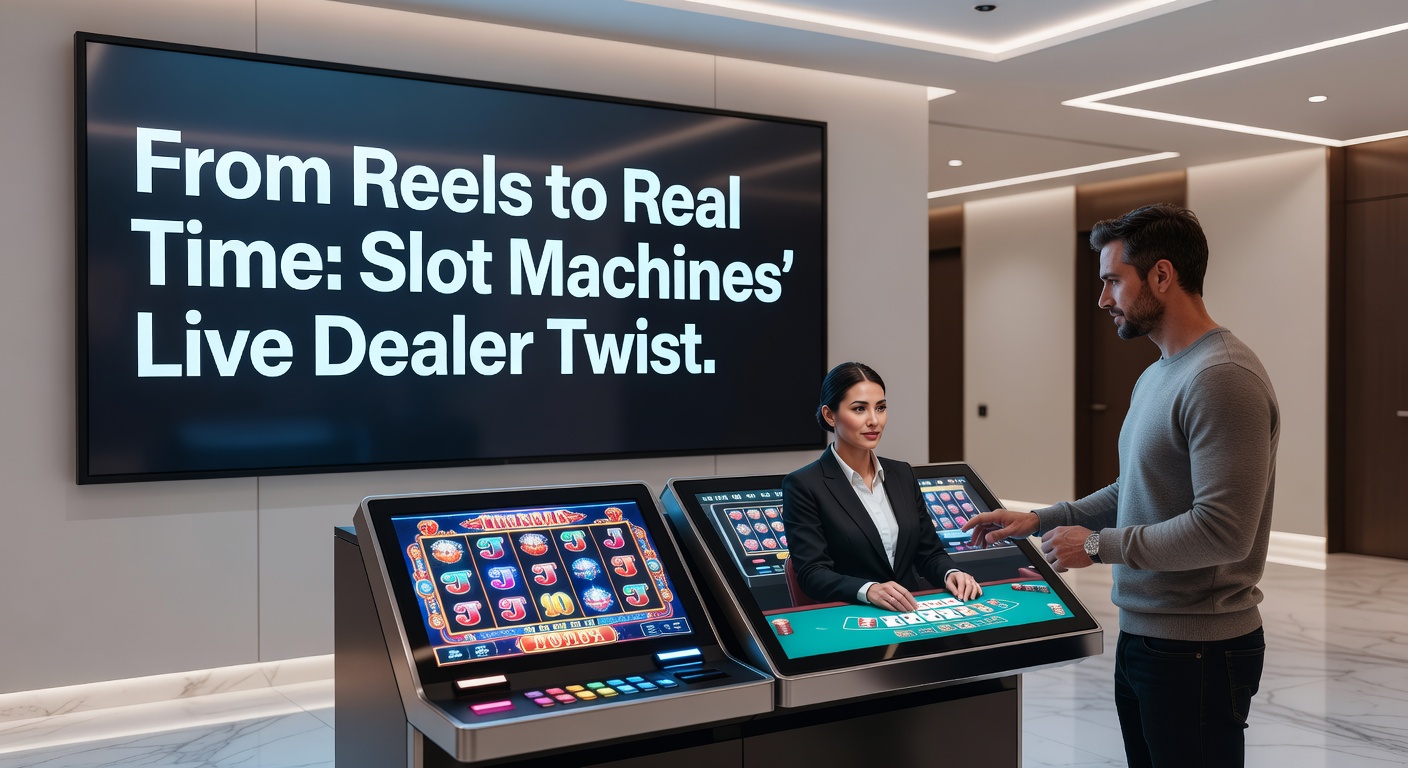
Slot machines started as mechanical wonders in the late 19th century, with Charles Fey's Liberty Bell setting the stage in 1895; players pulled levers, watched reels spin, and hoped for matching symbols, but fast-forward to today and developers have fused that classic thrill with live dealer formats, creating hybrid experiences where real hosts spin digital wheels in real time. This evolution gained momentum around 2020, as streaming tech improved and players craved more social interaction online; data from industry reports shows live casino games surged by over 200% during that period, pulling slots into the mix. Experts observe how these live dealer slots bridge the gap between solitary reel-spinning and the buzz of table games like blackjack, where a charismatic host chats, explains bonuses, and triggers spins on massive screens behind them.
Take Evolution Gaming's Crazy Time, launched in 2020, which one might call a pioneer in this space; it features a huge wheel with slot-like segments, multipliers up to 20,000x, and a live host who builds excitement before each spin, turning passive play into an event. Players who've tried it report feeling the casino floor vibe without leaving home, and figures from H2 Gambling Capital indicate such games now account for 15-20% of live casino revenue across Europe and North America. But here's the thing: traditional slots rely on random number generators (RNGs) for fairness, while live versions layer human elements atop certified software, ensuring transparency through visible mechanics.
Unpacking Live Dealer Slots: How They Work
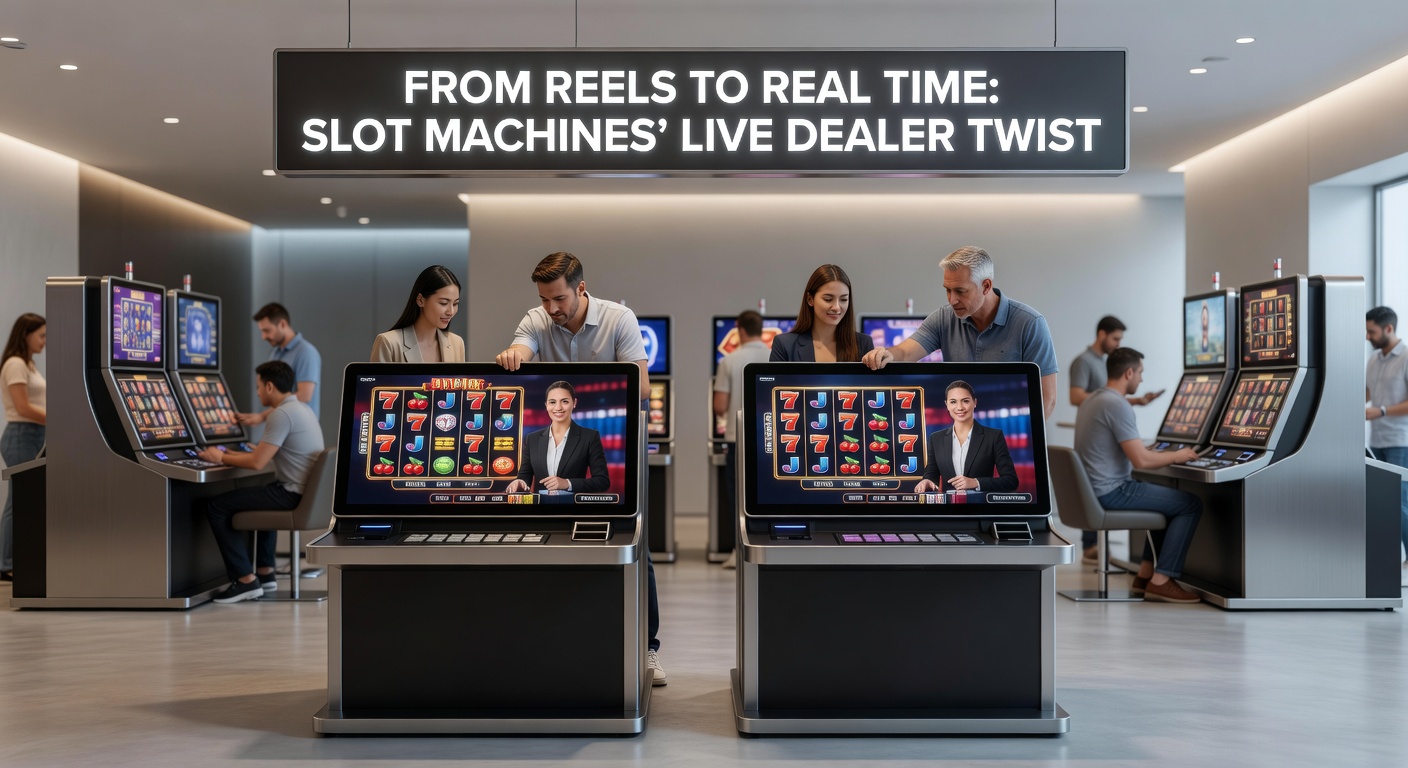
At their core, live dealer slots combine RNG-driven outcomes with human-hosted presentations; a dealer or host operates from a studio rigged with high-definition cameras, multiple angles capturing every detail from the wheel's spin to bonus round activations, and players join via desktop or mobile to place bets in real time. Software from providers like Pragmatic Play or Playtech streams the action with minimal latency, often under 10 seconds, while chat features let participants interact, ask questions, or celebrate wins together; this setup differs sharply from standard video slots, where animations play out automatically without that personal touch.
What's interesting is the tech stack involved: optical character recognition (OCR) reads reel results instantly, broadcasting them to thousands of players simultaneously, and blockchain integration in some newer titles verifies fairness on public ledgers. Researchers at the University of Nevada's International Gaming Institute found in a 2024 study that 68% of surveyed players preferred live formats for their perceived authenticity, citing the dealer's presence as a key factor; sessions typically run 24/7 from studios in Malta, Latvia, or the Philippines, adapting to global time zones seamlessly.
Key Players and Standout Titles in the Live Slot Scene
Pragmatic Play leads with drops-and-wins style live slots like Sweet Bonanza Candyland, where hosts navigate a candy-themed board, triggering slot spins with cash drops; released in late 2021, it quickly hit peak concurrent viewers over 1,000 per table, according to provider metrics. Evolution follows closely with Monopoly Live, blending the board game with RNG slots and 3D bonus wheels, drawing in players who enjoy narrative-driven spins; data reveals average session lengths stretch to 45 minutes here, double that of regular slots.
And then there's Playtech's offerings, such as Age of the Gods Live, which weaves Greek mythology into live wheel spins with progressive jackpots; one notable case saw a player in Canada scoop €250,000 from a €2 bet in early 2025, as reported by the Alcohol and Gaming Commission of Ontario, highlighting how these games scale wins dramatically. Nolimit City and others experiment further, integrating live hosts into megaways slots for volatile, high-stakes action; across platforms, bet ranges span €0.10 to €5,000 per spin, accommodating casual spinners and high rollers alike.
Yet operators like those licensed in Curacao or Gibraltar host these on aggregated lobbies, letting players switch seamlessly between live slots, roulette, and game shows; integration with payment systems like Trustly or crypto wallets ensures quick deposits, with average withdrawal times under 24 hours in regulated markets.
Behind the Tech: Streaming, Fairness, and Player Engagement
High-end studios use 4K cameras, motion-tracking software, and AI-driven chat moderation to keep streams smooth and safe; latency hovers around 2-5 seconds thanks to edge computing, meaning bets lock just before the host spins, preventing disputes. Fairness hinges on third-party audits—eGaming labs like iTech Labs certify RNGs quarterly—while live visibility lets players see shuffles adn outcomes unedited; the Malta Gaming Authority mandates such transparency for EU-facing sites, with compliance rates above 98% in 2025 inspections.
Engagement tools amp up the fun: multipliers, cashback drops, and leaderboards reward active players, and mobile optimization means 60% of traffic now comes from phones, per App Annie data. Those who've studied retention metrics note live slots boast 25% higher return rates than standard versions, as the social layer—hosts bantering about recent big wins or upcoming bonuses—keeps folks hooked longer. It's not rocket science; the human element mimics land-based casinos, where floor walkers once built loyalty the same way.
Regulations, Safety Nets, and Market Growth
Growth explodes in regulated jurisdictions: Sweden's Spelinspektionen reports live casino segments up 35% year-over-year through 2025, while Australia's state bodies like the NSW Office of Liquor, Gaming and Racing track similar upticks among 18-35 demographics. Safety features include self-exclusion tools, deposit limits, and reality checks that pop up every 60 minutes; operators must integrate these per directives from bodies like the NSW Office of Liquor, Gaming and Racing, though note that's just one example amid diverse global standards.
April 2026 brings fresh developments too: Pragmatic Play announces enhanced VR integration for live slots at ICE London, promising immersive 360-degree views where players "sit" at virtual tables with hosts; early trials in Ontario show 40% engagement lifts. Meanwhile, the American Gaming Association projects the global live dealer market hitting $25 billion by 2028, with slots carving out a 10% slice as hybrids proliferate.
Player Strategies and Real-World Examples
Seasoned players focus on peak hours for bigger prize pools, tracking host schedules via lobby calendars; one study from the University of Sydney's Gambling Research Unit revealed that timing bets during bonus-heavy segments boosts RTP perceptions by 5-7%. Case in point: a Finnish player turned €50 into €12,000 on Buffalo Blitz Live in March 2025, leveraging chat tips from the host on wheel biases—pure luck, of course, but illustrative of the interactive edge.
So strategies evolve: bankroll management via session budgets, chasing games with proven variance like Razor Shark Live, and using demo modes where available to scout host styles. Observers note how loyalty programs sweeten deals, offering free spins or cashback tied to live play volume.
Wrapping Up the Live Slot Revolution
This twist on slots—from isolated reels to communal streams—reshapes online gaming, blending tech precision with human charisma; as studios expand and regs tighten, access grows safer and more global, with innovations like AI hosts on the horizon for 2026 and beyond. Data underscores the appeal: higher engagement, transparent play, massive wins possible. Players diving in today find a landscape richer than ever, where every spin feels like front-row casino action.