Decoding Video Poker Paytables: Variants That Deliver Player-Friendly Returns
Written by Yves Hughes · Apr 2, 2026
Decoding Video Poker Paytables: Variants That Deliver Player-Friendly Returns
Video Poker's Foundations and the Paytable Pivot
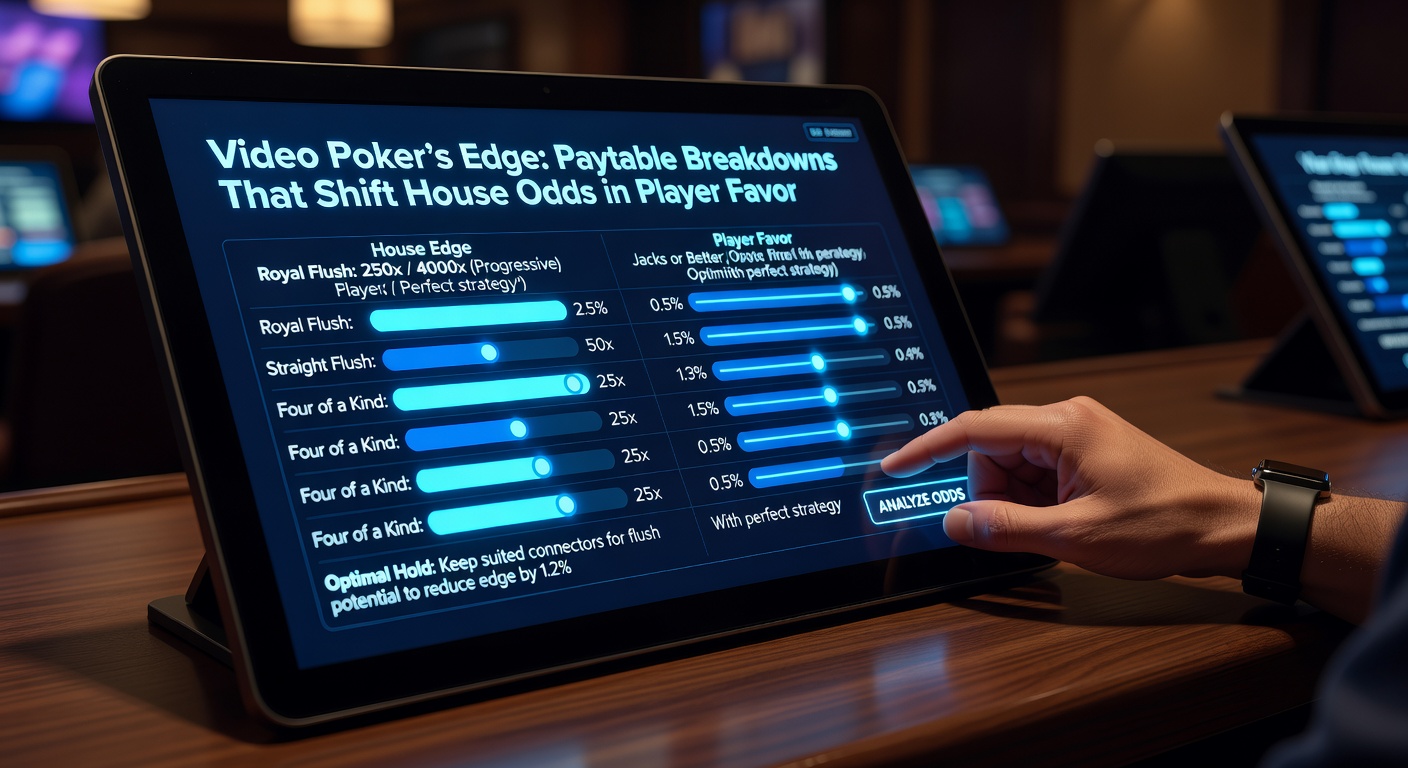
Players familiar with video poker quickly grasp how paytables dictate the game's mathematical backbone, since these charts outline payouts for every hand from pairs to royal flushes, directly influencing return to player (RTP) percentages that can hover above 99% under optimal conditions. Data from industry analysts like those at Wizard of Odds reveals that while base game rules remain consistent across variants—drawing five cards, discarding and replacing up to five, aiming for the best poker hand—the payout structure varies dramatically between machines, turning what seems like a simple slot alternative into a skill-based pursuit where informed choices shift house edges from burdensome to negligible.
Take Jacks or Better, the foundational variant; experts note its ubiquity in both land-based floors and online platforms, yet returns fluctuate based on whether a machine offers full-pay 9/6 (full house pays 9 coins per coin bet, flush pays 6) yielding 99.54% RTP with perfect strategy, or stripped-down versions dipping below 97%. And here's where it gets interesting: casinos deploy these variations strategically, posting RTPs that average 95-98% across floors, but sharp-eyed players hunt full-pay tables, knowing the difference compounds over thousands of hands.
Dissecting Iconic Paytables for Maximum Returns
Full-pay Jacks or Better stands as the gold standard, with researchers documenting its 0.46% house edge when players master strategy charts that prioritize keeping four to a flush over low pairs in certain spots; figures from long-term simulations show hands per hour averaging 500-600, meaning a $1 player wagering five coins racks up expected losses of just $2.30 per hour versus steeper drains on lesser tables. But turns out Deuces Wild flips the script entirely, introducing wild twos that boost royal flush odds to 1 in 45,000 while full-pay versions like Not So Ugly Ducks (15 for five deuces) deliver 100.76% RTP, allowing positive expectation play—a rarity where skilled operators grind out profits over volume.
Bonus Poker variants amp the excitement, paying extra for four aces or deuces alongside full houses; data indicates 10/7 Double Bonus, full house at 10 and flush at 7, clocks in at 100.17% RTP, while short-pay 9/6 editions drop to 98.75%, underscoring how one coin tweak per category alters viability. Observers point to April 2026 updates from the Nevada Gaming Control Board, where certified paytables must disclose RTPs prominently on new video poker installations, potentially exposing more favorable options amid rising player demand for transparency in Las Vegas floors.
- 9/6 Jacks or Better: 99.54% RTP, ubiquitous full-pay benchmark.
- 10/7 Double Bonus: 100.17% RTP, high-variance thrill with ace bonuses.
- NSD Deuces Wild: 100.76% RTP, wild card mastery required.
- Full-pay Bonus Poker Deluxe: 100.19% RTP on 10/7 charts, balanced volatility.
Those who've charted casino floors report full-pay machines clustering in high-limit areas or online lobbies during promotions, since operators balance allure with overall hold percentages around 5-7% venue-wide.
Full-Pay Versus Short-Pay: The RTP Gulf Explained
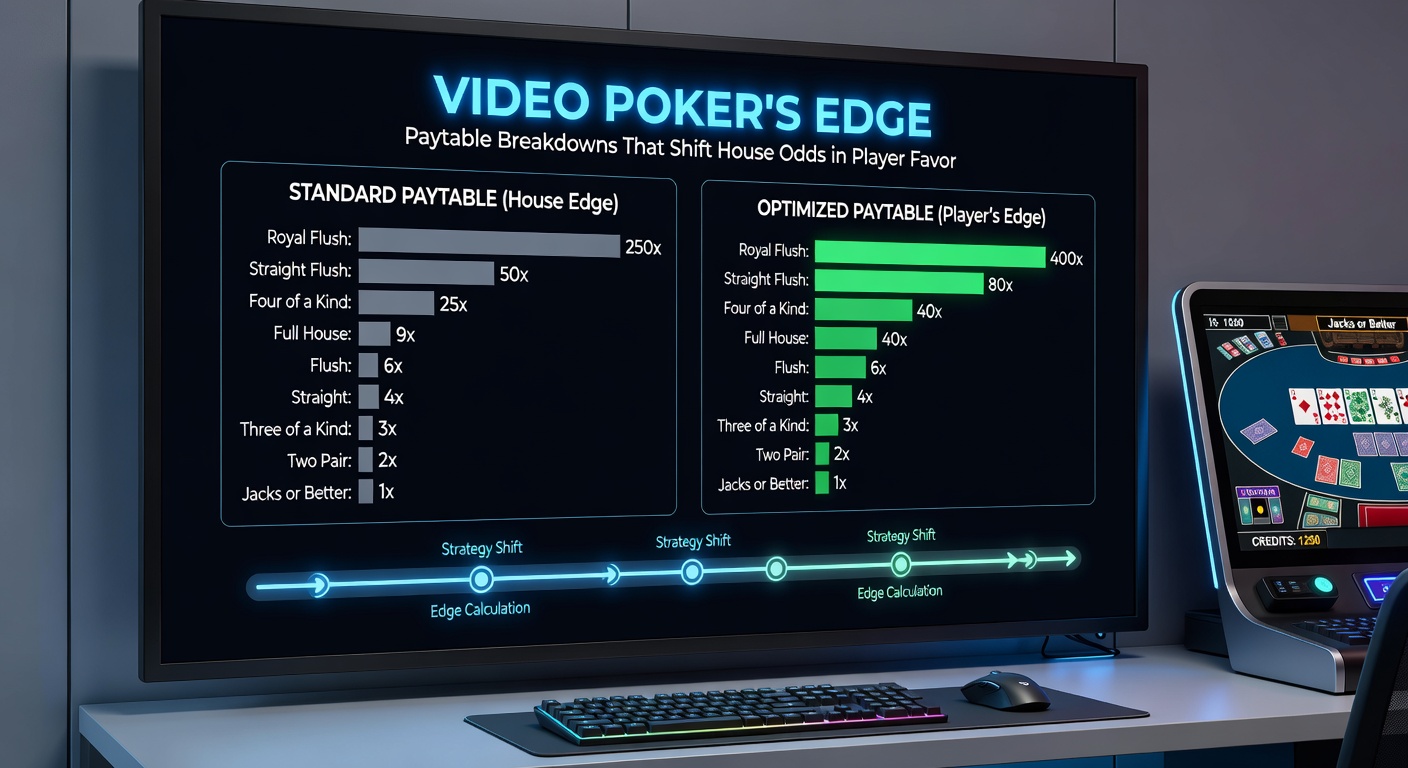
Casinos label paytables vaguely—"Jacks or Better" without specifics—but experts decode them via posted payout lines, revealing full-pay as those matching benchmark returns above 99%, while short-pay strips 1-2 coins from full house or flush, ballooning house edges to 2-5%; studies from gaming labs like Gaming Laboratories International confirm this through millions of simulated deals, showing a 9/5 Jacks table erodes RTP to 97.15%, turning hourly play into a $25+ bleed for quarter players. What's significant is how these tweaks accumulate: over 100,000 hands, the gap equals hundreds in foregone winnings, prompting pros to scout via apps or floor walks.
Yet online realms shine brighter, with platforms listing exact RTPs per variant; data from April 2026 industry reports highlights EU operators under Malta Gaming Authority oversight adopting full-pay more readily, since digital audits enforce advertised returns, unlike physical machines prone to gradual wear. People who've tracked this note multi-hand games (3-100 hands simultaneous) amplify edges, as strategy consistency across deals minimizes variance, delivering steadier paths to those elusive royals paying 800-for-1 on max bets.
And consider progressive jackpots layered atop base paytables; when meters hit thresholds—say $1,200 on four deuces—effective RTP surges past 101%, with historical cases from Canadian venues regulated by bodies like Ontario's iGaming sector showing players banking six-figures on timed hunts.
Variant Spotlights: From Joker Poker to High-Variance Beasts
Joker Poker introduces a wild joker alongside standard ranks, full-pay Kings or Better at 100.65% RTP rewarding natural royals at 800 while five-of-a-kind hits 200; researchers find its lower volatility suits steady grinding, though short-pay Royal editions cap at 98.98%, nudging players toward strategy shifts like holding jokers aggressively. Double Double Bonus ramps complexity, paying tiered bonuses for aces with kickers (2-4); 10/6/9/5 charts yield 100.07% RTP, but only with precise play memorizing 400+ decisions, as evidenced by training software logs from dedicated practitioners.
Now, high-variance lovers chase White Hot Aces or Spin Poker wheels, where paytables blend multipliers; full versions exceed 99.5%, yet teh rubber meets the road in bankroll management, since dry spells stretch hundreds of hours before quad aces trigger 1600-coin bombs. Observers document regional flavors too—Australian clubs per state gaming commissions favor 8/5 Jacks at 98%, while U.S. riverboats push full-pay amid competition, creating a patchwork where April 2026's mobile app integrations promise real-time paytable scanners for on-the-go verification.
Take one case from veteran trackers: a player logging 50 venues found 12% housed full-pay Deuces, netting positive sessions via 30-minute hunts; such anecdotes align with aggregate data, affirming that paytable literacy separates break-even grinders from house fodder.
Strategy Synergy: Pairing Charts with Favorable Tables
Optimal strategy charts, derived from computer optimizations running billions of deals, adapt per paytable—holding three to royal over pair in 9/6 Jacks, but pair trumps in 8/5 due to payout parity; apps from strategy gurus deliver these on-device, slashing errors that inflate house edge by 1-2%. But here's the thing: multi-line play demands uniform decisions across windows, compounding RTP while variance evens out faster; figures reveal 10-hand games cut session swings by 68%, ideal for those chasing long-term parity.
Bankroll wisdom tempers this—experts advocate 400-500 max-bet units for base games, scaling to 2000 for wild variants, since royal droughts average 40,000+ hands; coupled with comps from tracked play, effective edges dip negative, as seen in loyalty program audits from major operators. And while randomness governs outcomes, paytable selection remains the controllable lever, with data underscoring full-pay hunts as the path to sustainable engagement.
Navigating Modern Floors and Digital Shifts
April 2026 brings fresh dynamics, as U.S. states like Pennsylvania mandate paytable postings via QR codes, per gaming board directives, empowering quick RTP checks amid server-based systems swapping tables dynamically. Online, geofenced apps from EU and Canadian licensees guarantee full-pay availability 24/7, with demo modes letting players test strategies risk-free; industry reports note participation spikes 25% post-transparency rules, drawing skill enthusiasts to variants like Ultimate X, where bonus multipliers on winners propel RTPs past 101% selectively.
Those studying trends observe hybrids emerging—video poker linked to sportsbooks or live dealer feeds—yet core paytable math endures, rewarding vigilance over luck alone.
Wrapping Up the Paytable Playbook
Video poker's allure boils down to those paytable nuances, where full-pay charts like 9/6 Jacks or 10/7 Bonus hand players near-even footing through strategy and selection; data consistently shows RTPs from 99-100.8% feasible on select machines, flipping traditional casino math while demanding discipline over thousands of hands. As regulations evolve into 2026, from Nevada's disclosures to Ontario's iGaming expansions, accessible edges proliferate, equipping informed players to navigate floors and screens with precision—turning sessions into calculated endeavors rather than gambles.