Alabama Gaming Push Stalls After Senate Falls One Vote Short
 Alabama lawmakers advanced two key gambling measures through the House earlier this year yet watched them collapse in the Senate by the narrowest of margins, and the outcome leaves the state without a lottery, commercial casinos, or regulated sports betting heading into August 2026. House Bill 151 proposed a constitutional amendment that would have cleared the path for expanded gaming, while House Bill 152 outlined the creation of an Alabama Gaming Commission to oversee operations and licensing, and both measures cleared the lower chamber before reaching the upper house for final consideration. The Senate vote on the package came down to a single ballot, with supporters unable to secure the required majority despite intensive negotiations in the final days of the regular session. Once the bills failed, Governor Kay Ivey declined to convene a special session that might have revived the effort, and that decision effectively postpones any new gaming framework for at least another full legislative cycle. Observers tracking the proceedings noted that the Poarch Band of Creek Indians, already operating tribal facilities under federal law, continues to hold a central position in any future discussions about Class III gaming compacts between the tribe and the state.
Legislative Path and Key Provisions
Supporters framed the legislation as a way to generate new revenue for education and infrastructure while bringing existing tribal gaming under a clearer state regulatory umbrella, and the bills moved quickly through House committees before reaching the floor for debate. House Bill 151 focused on the constitutional changes necessary to authorize a state-run lottery and limited casino-style games at designated locations, whereas House Bill 152 established the structure and powers of the proposed gaming commission, including licensing standards, enforcement mechanisms, and revenue distribution formulas. Lawmakers in the House passed both measures with comfortable margins, yet the Senate proved more divided, and the final tally fell short by exactly one vote after extended floor discussion and multiple amendments.
Those following the session reported that tribal-state compact negotiations remained a sticking point throughout the process, and any expansion of Class III gaming would still require agreement between state officials and the Poarch Band of Creek Indians under the Indian Gaming Regulatory Act. The tribe already runs several facilities in Alabama, and its position as the primary operator of slot-style machines and table games gives it significant leverage in shaping future compacts. Without the constitutional amendment passing, however, broader commercial casino development and sports betting remain blocked for the immediate future.
Immediate Aftermath and Revenue Implications
With the regular session concluded and no special session called, state agencies have shifted focus to existing revenue streams while gaming proponents begin preparing for the 2027 legislative cycle. Data from neighboring states shows that lotteries and regulated sports betting can produce hundreds of millions in annual proceeds, yet Alabama will continue to forgo those funds until new legislation clears both chambers and survives a potential voter referendum. Analysts tracking state budgets note that education funding formulas currently rely on other sources, and the absence of gaming revenue leaves those allocations unchanged for at least another year.
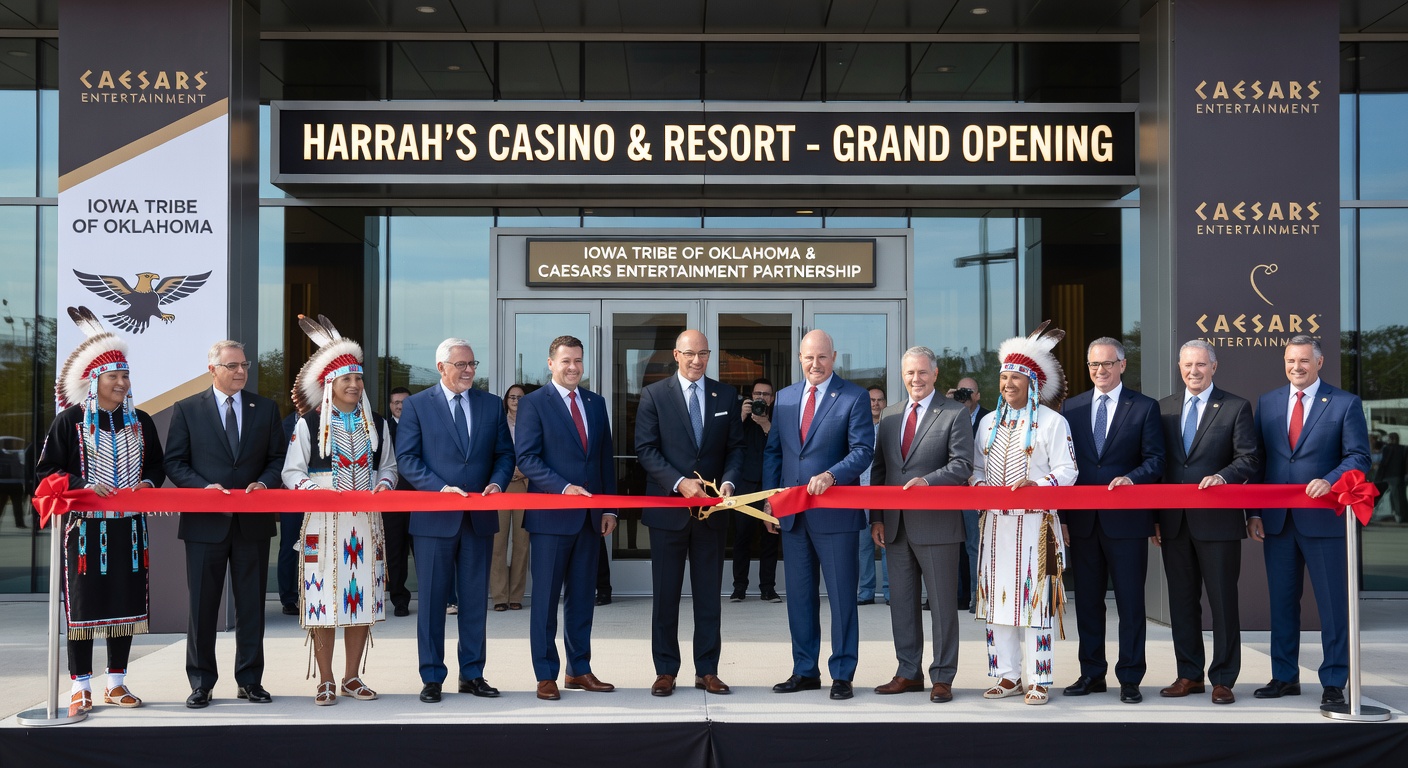
The Poarch Band of Creek Indians has indicated willingness to discuss updated compacts once the political landscape allows, and tribal representatives have emphasized that any agreement must respect federal requirements while providing economic benefits to both the tribe and the state. According to information shared through 500 Nations coverage, the tribe remains the only entity currently authorized to offer Class III games in Alabama, and its facilities continue to operate under existing federal and state agreements. This reality keeps tribal gaming at the center of any future expansion talks even as commercial operators wait for clearer legal ground.
Looking Toward Future Sessions
Legislators who backed the original package have already signaled plans to reintroduce similar measures when the new session convenes, and they cite ongoing interest from both the public and potential operators as motivation to try again. The narrow Senate defeat has prompted some members to explore alternative approaches, such as separating the lottery question from casino and sports betting provisions in order to build broader coalitions. Those who study Alabama politics observe that constitutional amendments require voter approval after legislative passage, which adds another layer of complexity to any revived effort.
Revenue projections prepared during the most recent debate estimated that a well-regulated lottery and limited casino market could deliver substantial yearly returns once fully operational, yet those figures remain hypothetical until the necessary legal framework exists. State officials have not released updated fiscal impact statements since the bills failed, and budget planners continue to work without gaming proceeds in their models for the 2026-2027 fiscal year.
Conclusion
The collapse of House Bills 151 and 152 by a single Senate vote, followed by the governor's decision against a special session, has frozen Alabama's gaming landscape at least through the next legislative cycle, and the Poarch Band of Creek Indians retains its pivotal role in any future compact negotiations. As August 2026 unfolds, state leaders and tribal representatives alike are assessing next steps while neighboring states continue to collect gaming revenue that Alabama currently does not receive. The episode illustrates how slim legislative margins and timing decisions can shape policy outcomes for years to come, and it sets the stage for renewed debate when lawmakers return to Montgomery.